
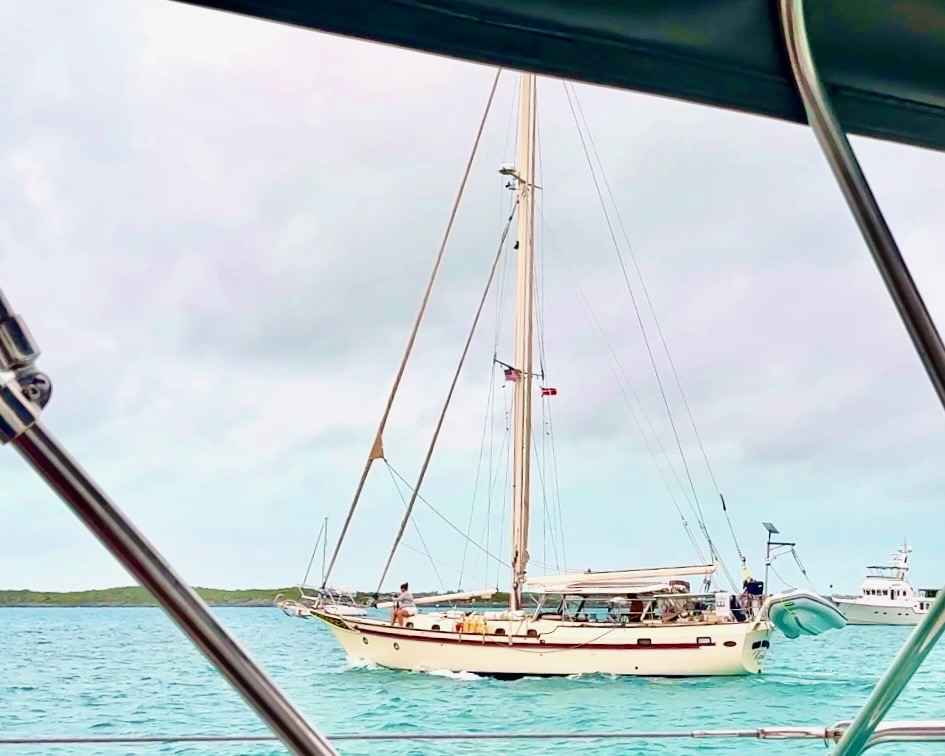
We set out that morning full of big plans. The Dominican Republic was calling, and we were ready to answer. As we made our way out of George Town, the winds were on our beam, a spirited but manageable sail. Confidence was high, and we were already daydreaming about our first adventures in the DR, a country we’d never been to before.
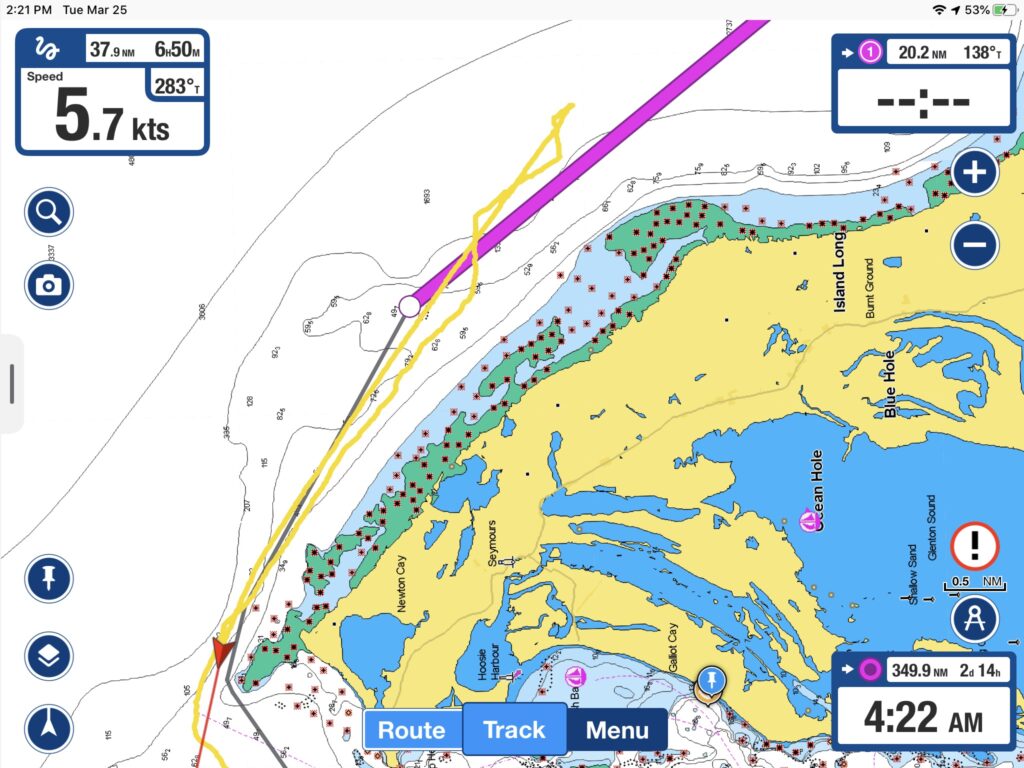
We’d checked the weather, double-checked the sea state, and with coffee in hand, felt pretty sure we had this crossing in the bag. But rounding Long Island in the Bahamas, we quickly learned the Atlantic Ocean had a completely different agenda.
What we hadn’t accounted for was the opposing current and the closeness of the waves. The ride went from “spirited” to “hang on to your hat” in record time. Every crash of the bow sent spray over the deck, and the motion became almost unbearable, especially with the thought of sloshing around like that for another 24 hours.
In typical Kismet style, we were working with a small weather window to make the run. And here’s the thing, this isn’t your average day sail. It’s a challenging sail, one that many a sailor has abandoned halfway through, turning back to George Town for the season. Heading further south means fewer options for shelter, no safe harbors for quick stops, and no rescue boats if you run into real trouble. It’s just you, the ocean, and whatever conditions you’ve got… for better or worse.
Calabash Bay — Postcard Perfect… Until 3 a.m.
After about an hour of sloshing around in the confused seas, we made the decision to turn back toward a small anchorage we’d spotted earlier on the tip of Long Island, Bahamas. Calabash Bay. It was, as they say, a sight for sore eyes, turquoise waters, powdery beaches, and an amazing resort just visible in the distance.
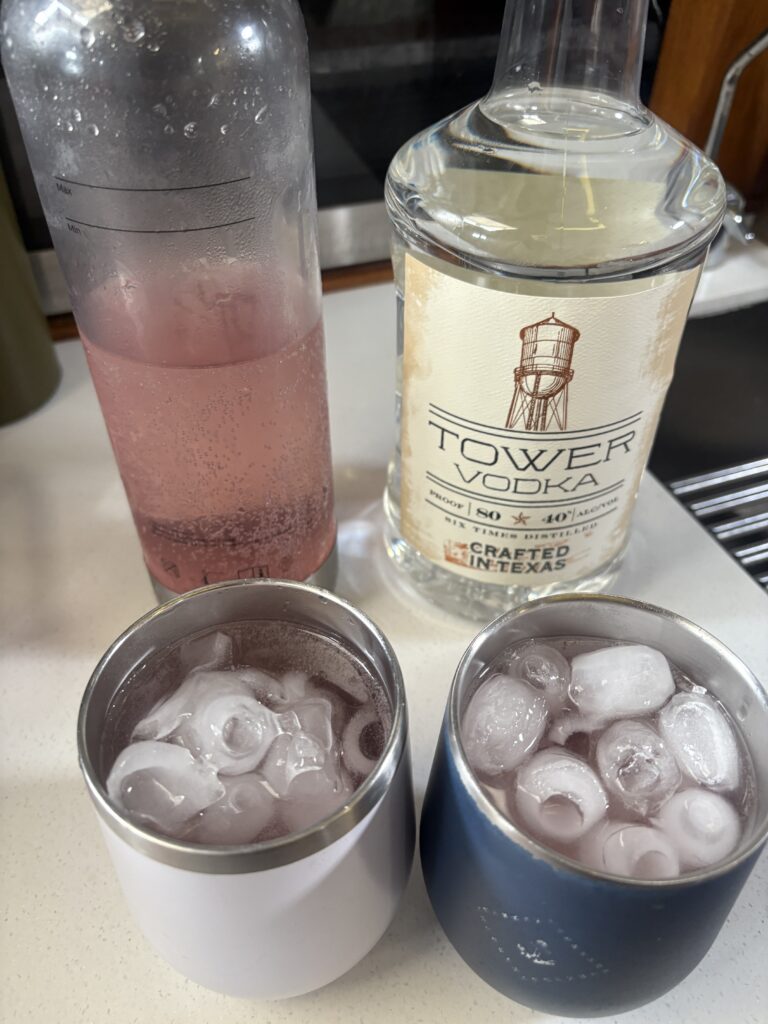
Dropping the hook there felt like hitting the pause button. We were so relieved to have found a calm, beautiful spot to anchor, relax, and sip the hard-earned sundowners we both desperately needed. As we sat in the cockpit, the sky lit up with one of the most spectacular sunsets we’ve ever seen. The bruises from the day’s rough ride faded fast in that golden light, and for a while, all was right with the world.
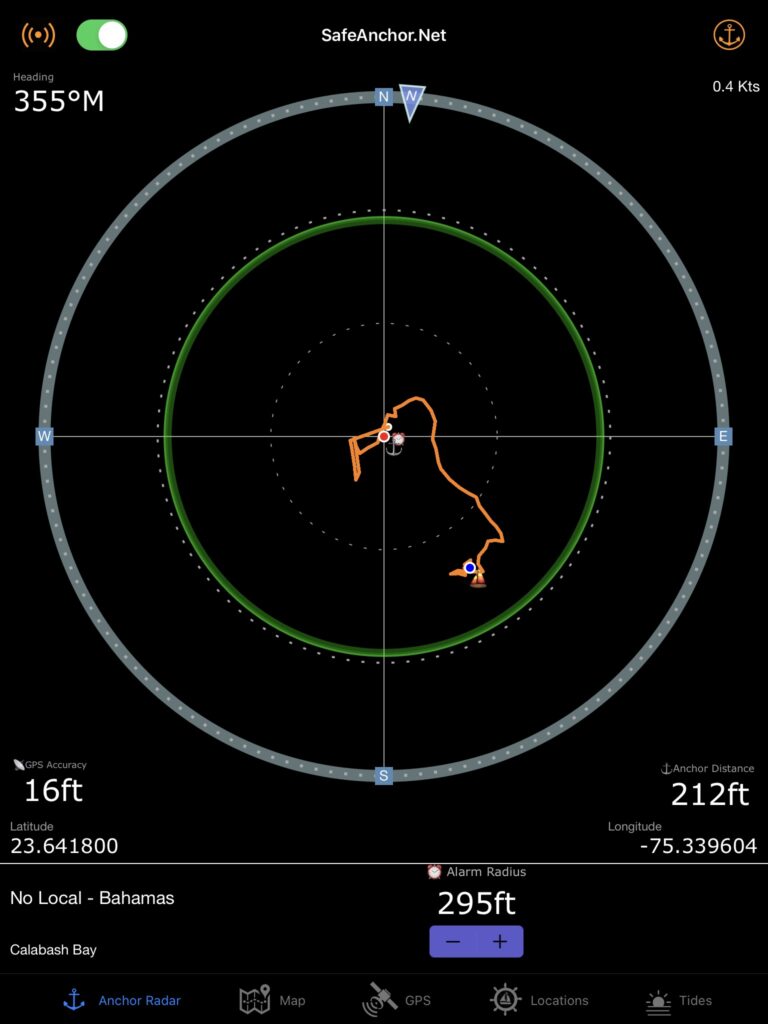
As darkness settled in, we felt sure we’d sleep like babies. But at 3 a.m., the anchor alarm had other plans. My first thought: “Oh no, we’re dragging.” Turns out… not exactly. Our anchor hadn’t budged. Instead, a squall had blown in, swinging us a full 180 degrees from our original position and pulling us right out of the alarm’s circle.
Rodney shot up, grabbed the iPad to check our position, and fired up the motor. With the cockpit zipped tight against the rain, we couldn’t see a thing, so we relied entirely on our instruments to keep us safe. For 30 tense minutes, we scanned the radar and hoped we wouldn’t feel the sickening bump of running aground.
Eventually, we realized we were in a secure spot. We left the motor running for peace of mind and waited it out. Within the hour, the squall passed, and calm slowly returned.
Back to George Town – And a New Plan
By sunrise, Rodney was dozing in the cockpit, and we both agreed, as beautiful as Calabash Bay was, paradise wasn’t worth staying for. We set sail for George Town to regroup, refuel, and come up with a better plan.
That’s when we added Chris Parker’s weather package to our arsenal. Having his team’s extra layer of forecasting would give us the best possible shot at picking the right weather window for our next attempt to the DR. Until then, we waited, we planned, and we reminded ourselves of one of the best lessons sailing has taught us: knowing when to turn back is just as important as knowing when to go
Have you ever had to turn back from a trip you were excited about? We’d love to hear your story, drop it in the comments below. And keep following our Sailing Kismet adventures as we take our next shot at making it to the Dominican Republic… this time with a little extra weather wisdom on our side.
Fair winds,
Patrice & Rodney